
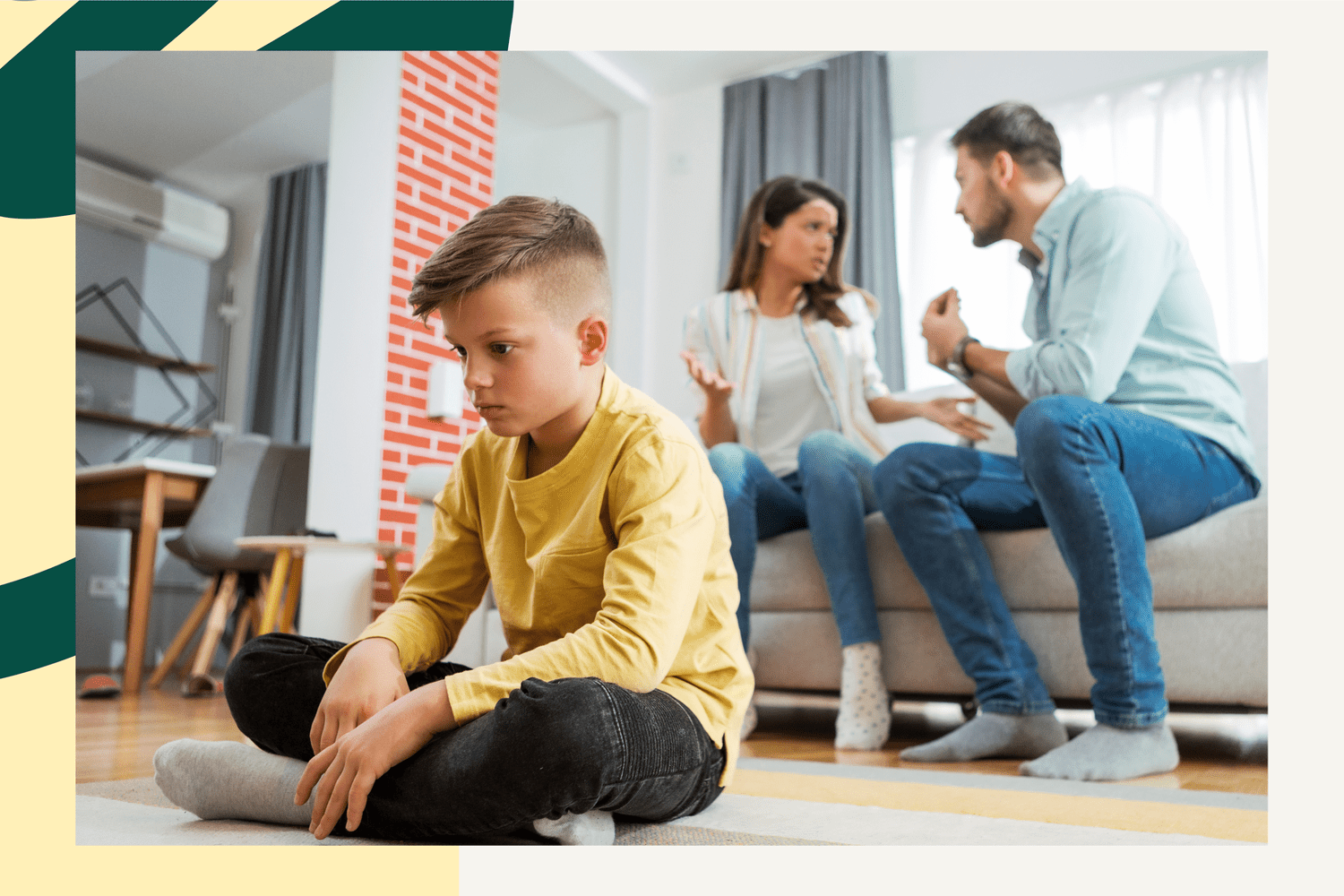
The quiet exhaustion that many stay-at-home parents experience often hides behind daily routines, yet these emotions can steadily grow when support feels limited and responsibilities stack without pause, creating a sense of isolation that few outside the home truly recognize.
Hidden weight of constant responsibility
Many stay-at-home parents describe the first shock as the sudden shift from shared social environments to long stretches of solitary caregiving. According to our editor’s research, this shift can feel heavier than expected because the day becomes filled with tasks that look simple from the outside but require constant attention. Parents often mention that the absence of defined breaks makes every routine feel larger. They also say that the pressure to remain patient throughout the day adds another layer of emotional weight. These emotions grow stronger when others assume that staying home is easier than working outside. Some parents quietly internalize these misconceptions and feel guilty for their own exhaustion. Others say the hardest part is missing adult conversations that once offered small but meaningful relief.
Why emotional burnout appears?
Emotional burnout often develops slowly, shaped by repetitive tasks and limited rest. Many parents describe the sensation as a quiet drain that builds over weeks. They often mention that their minds feel overstimulated even when their bodies remain in one place. They also note that expectations of constant availability create a unique pressure, especially when caring for young children. According to our editor’s reviews, some parents try to push through this fatigue because they believe others manage it effortlessly. This belief can deepen burnout because it discourages early support. The emotional weight becomes heavier when daily efforts go unnoticed, even by close family members. Some parents say that the lack of appreciation hurts more than the physical exhaustion itself.
Daily routines that feel endless
Parents often say that caring for children creates a cycle that resets every morning. Many express that tasks blur together when they have no clear start or finish. This sense of repetition can make days feel unusually long. Some say that even simple chores lose meaning when done in silence. Others describe moments when they complete an entire day of work yet feel they accomplished nothing. According to our editor’s research, this feeling is common among parents who manage most responsibilities alone. They also say that unpredictable child needs interrupt any attempt to rest, making routines feel heavier. Over time, this cycle creates a quiet mental strain.
Is isolation part of the struggle?
Many stay-at-home parents admit they did not expect the level of isolation that comes with the role. They often say that the home becomes both workplace and living space, leaving no mental separation. Some express that days pass without meaningful interaction beyond childcare. According to our editor’s reviews, this isolation intensifies when evenings bring more responsibility instead of rest. Parents sometimes feel embarrassed admitting that they miss simple workplace conversations. Others say they struggle with the idea that loneliness can appear even in a full house. This emotional conflict creates guilt, which deepens the isolation further. Many parents note that finding social balance becomes one of the hardest challenges.
Pressure to appear perfectly capable
A significant struggle arises from the expectation to manage everything smoothly. Many parents say they feel watched by invisible standards set by family, society, or social media. According to our editor’s research, these pressures often lead parents to hide their fatigue. They may present themselves as constantly patient even when they feel overwhelmed. Some admit that comparison with others creates quiet insecurities about their own abilities. Others say that images of ideal parenting online make real life seem chaotic. This pressure increases when relatives assume that staying home provides unlimited free time. The need to appear strong at all times can become emotionally draining. Parents often say that honesty feels risky because they fear judgment.
Financial stress and identity shifts
Many parents describe financial concerns as an unspoken struggle. When transitioning from a paid job to unpaid caregiving, some feel that their economic role at home changes sharply. According to our editor’s reviews, this shift can affect personal identity more than expected. Parents sometimes feel guilty for spending on their own needs when they no longer contribute income directly. Others say they feel uncomfortable asking for money even within supportive households. These uncomfortable emotions may build quietly over time. Some parents also mention that losing professional identity creates a sense of personal uncertainty. They say they miss feeling recognized for their skills beyond parenthood. This internal conflict often grows stronger when others downplay the value of caregiving work.
Balancing self-care with caregiving
Maintaining personal well-being becomes one of the most challenging parts of staying home. Parents often say they struggle to prioritize themselves without feeling selfish. According to our editor’s research, even short moments of rest can trigger guilt because tasks always wait nearby. Many parents describe that they need breaks but rarely take them. They also say that constant multitasking drains mental energy faster than expected. Some admit that they forget basic needs like hydration, fresh air, or healthy meals. Others say they struggle to find time for exercise or hobbies once enjoyed. This gradual loss of personal space contributes to emotional fatigue. Over time, parents may feel they exist only to meet others’ needs.
How communication affects these struggles?
Communication within the household plays a major role in easing or worsening these silent challenges. Parents often say that misunderstandings arise when partners underestimate daily workloads. According to our editor’s reviews, many conflicts stem from unspoken assumptions rather than lack of care. Some parents say they avoid asking for help because they fear appearing incapable. Others say they express their needs but feel unheard. When communication weakens, resentment quietly grows. Many parents describe relief when partners acknowledge the invisible mental load they carry. They say that simple recognition often feels more valuable than direct help. Honest conversations about expectations, roles, and fatigue can significantly reduce stress.
Cultural expectations around caregiving
Cultural norms shape how parents view their responsibilities and struggles. In many households, traditions still place most caregiving duties on one parent, often the mother. According to our editor’s research, these expectations influence how parents evaluate their performance. Some parents feel pressure to live up to older generations’ standards. Others say that cultural expectations make them hesitate to request support. These beliefs contribute to emotional strain because they create unrealistic ideals. Parents often say that cultural comparisons make them feel inadequate even when they work tirelessly. Recognizing these influences helps them understand that their struggles are not personal failures but reflections of long-standing societal patterns.
Finding small moments of balance
Parents describe that balance often appears through small changes rather than major shifts. Many say that sharing a short break with a friend helps restore emotional energy. According to our editor’s reviews, planned routines reduce mental overload by giving structure to the day. Some parents say that scheduling even simple activities like walks or quiet time brings comfort. Others mention that asking for help becomes easier when framed as teamwork. Many parents find relief in accepting that not everything must be perfect. They describe that kindness toward themselves improves their overall well-being. Small adjustments often create meaningful differences in stress levels.
Strength behind the silence
Despite the difficulty, many stay-at-home parents show remarkable resilience. According to our editor’s research, they develop strong problem-solving skills through daily challenges. They often become highly adaptable as their routines shift constantly. Parents also gain emotional depth from managing complex family needs. They say that these strengths grow quietly without recognition. Yet many express that acknowledgment from loved ones boosts their sense of purpose. Understanding the hidden strength behind their silence helps families appreciate their role with greater empathy and respect.
Building healthier support systems
Support from family, friends, and communities makes daily life more manageable. Parents often say that even small gestures of help reduce stress. According to our editor’s reviews, social connections play a major role in preventing burnout. Some parents benefit from regular meetups with others in similar situations. Others find comfort in discussing their emotions openly with supportive partners. Many say that sharing tasks at home brings relief and strengthens relationships. Building a healthier support system requires consistent communication and mutual effort. Parents also mention that understanding their own limits is an important part of maintaining emotional well-being.
Looking toward brighter routines
Parents often describe that creating healthier routines begins with acknowledging their own needs. Many say that accepting help becomes easier once they view themselves with compassion. According to our editor’s research, prioritizing rest improves both emotional health and family harmony. Parents also note that celebrating small achievements during the day boosts motivation. They say that realistic expectations help reduce unnecessary pressure. Over time, these changes lead to more peaceful routines. Many parents express that understanding their struggles is the first step toward finding balance. When families appreciate these challenges, home life becomes more supportive.