
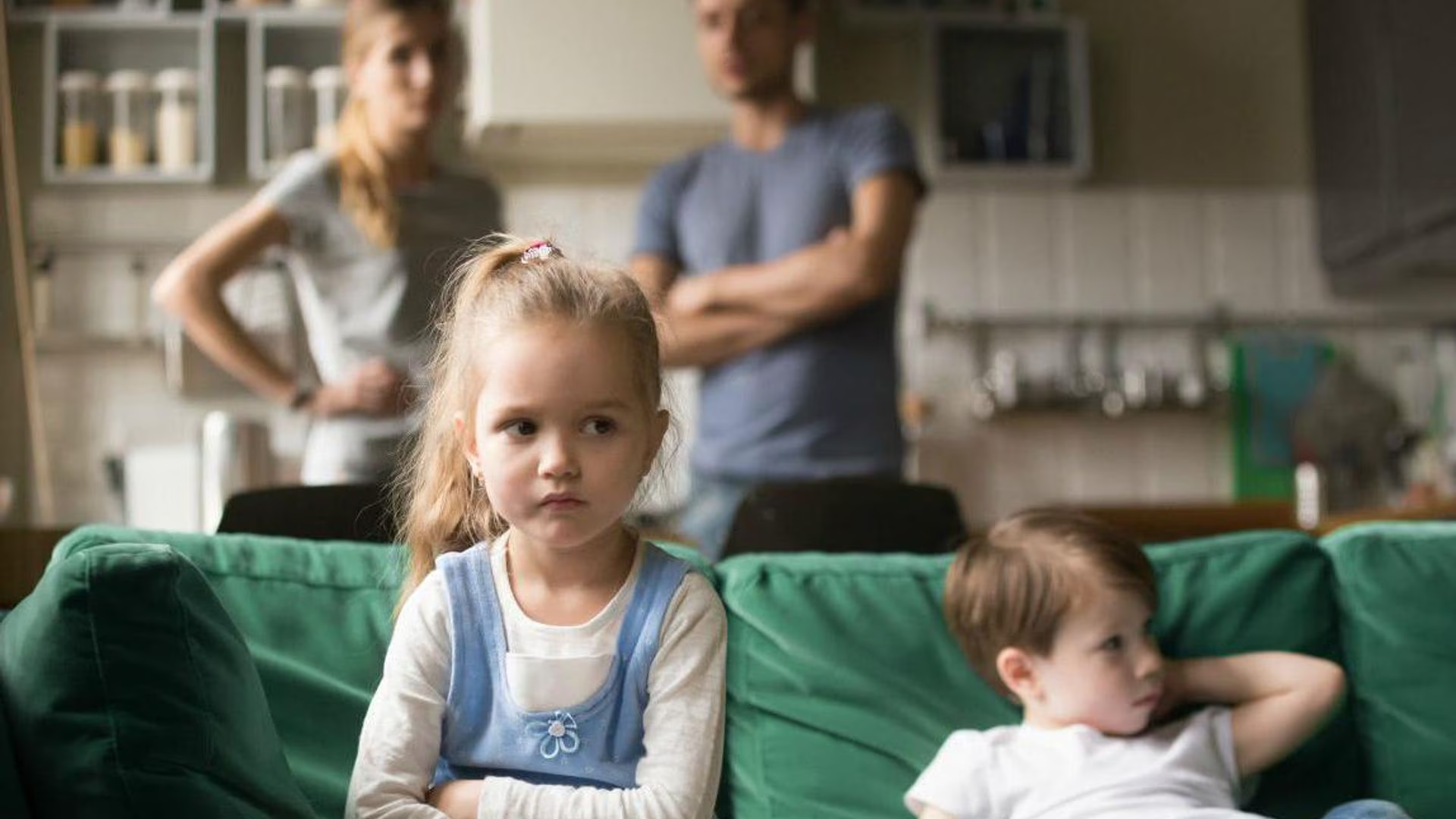
Have you ever noticed how a small look can trigger a big reaction between siblings? Many parents recognize this moment instantly and feel unsure how to respond. Jealousy between siblings often appears suddenly but grows from quiet comparisons. Children watch closely who gets attention, praise, or comfort during stressful moments. These observations shape emotions long before children can explain them clearly. Understanding this early helps families respond calmly instead of reacting defensively. This topic deserves patience because jealousy is not a flaw but a signal.
Why does sibling jealousy appear?
Sibling jealousy often starts when children feel their place is uncertain or threatened. The birth of a new sibling is a common trigger that shifts daily routines and focus. Older children may interpret change as loss rather than growth. Even small changes like bedtime delays can feel deeply personal. Children rarely separate intention from outcome at early developmental stages. This is why jealousy may appear irrational but feels very real to them. According to our editor’s observations, families often underestimate these early perceptions. Developmental psychology shows children seek predictability to feel safe. When attention feels inconsistent, children search for explanations internally. Jealousy becomes a protective response rather than deliberate misbehavior.
How do children express jealousy?
Some children become louder, while others withdraw quietly from shared spaces. Regression is common, including baby talk or sudden dependency. Others compete for praise through achievements or exaggerated behavior. In some households, jealousy surfaces as constant comparisons between siblings. Statements like “you love them more” reveal emotional reasoning, not manipulation. These expressions are attempts to restore balance, not to create conflict. Our editor’s review of family cases highlights behavior as communication. Physical aggression may also appear, especially in younger children. This usually reflects emotional overload rather than intent to harm. Ignoring these signals often intensifies them over time.
What role does parental attention play?
Parental attention strongly shapes how jealousy develops or fades. Children notice tone, timing, and presence more than words. Even equal time can feel unequal if emotional quality differs. Multitasking during conversations may unintentionally signal disinterest. Consistency matters more than quantity in daily interactions. Children feel safer when routines include predictable personal moments. According to our editor’s experience, small rituals reduce competition significantly. Shared meals or bedtime talks help children feel individually valued. These moments should feel uninterrupted and sincere. Attention given during calm moments prevents escalation later.
Is fairness always about equality?
Parents often aim for strict equality to prevent conflict. However, children measure fairness by needs, not identical treatment. Different ages require different responses, even within the same situation. Explaining reasons calmly builds trust over time. Children accept differences better when explanations feel respectful. Fairness becomes emotional clarity rather than mathematical balance. Our editor notes that transparency lowers resentment in most households. Avoid secret rewards or punishments that fuel imagination. Clear communication reduces guessing and comparison. Fairness grows from understanding, not sameness.
How can parents talk about jealousy openly?
Naming emotions helps children feel seen rather than judged. Simple language works better than long explanations. Saying “it looks like you feel left out” validates experience. Avoid dismissing feelings even when behavior needs correction. Children separate feelings from actions with guidance. Open dialogue builds emotional vocabulary gradually. Our editor’s interviews show families benefit from calm acknowledgment. These conversations work best outside heated moments. Revisiting feelings later reinforces learning without pressure. This approach teaches emotional literacy over time.
What daily habits reduce rivalry naturally?
Daily habits shape emotional climate more than isolated interventions. Encouraging teamwork builds shared identity instead of competition. Shared goals like cleaning together foster cooperation. Praise effort without comparison to siblings. Avoid labeling children as “the smart one” or “the quiet one”. Labels lock roles and intensify rivalry unconsciously. Our editor emphasizes language shapes sibling dynamics significantly. Rotate responsibilities to avoid fixed hierarchies. Celebrate individual progress privately when possible. Small adjustments accumulate into lasting harmony.
When does jealousy signal deeper concerns?
Occasional jealousy is expected in healthy families. Persistent hostility may indicate unresolved stressors. Major life changes can amplify emotional reactions. Moving homes or changing schools often affects sibling balance. Children may redirect external stress toward siblings. Observing patterns helps identify underlying causes. Our editor suggests watching duration rather than intensity alone. If jealousy interferes with daily functioning, support may help. Early attention prevents long term relational patterns. Seeking guidance can be a proactive choice.
How can siblings learn empathy over time?
Empathy grows through modeling rather than instruction. Children observe how adults handle frustration and fairness. Narrating your own emotions sets a powerful example. Encourage siblings to express perspectives during calm moments. Listening skills develop with patience and repetition. Joint problem solving builds mutual respect gradually. Our editor found shared reflection strengthens bonds effectively. Storytelling also helps children understand different viewpoints. Reading together can open emotional conversations naturally. Empathy is learned through experience, not lectures.
What mistakes unintentionally increase jealousy?
Comparing siblings openly increases insecurity immediately. Using one child as an example creates silent competition. Public praise may feel rewarding but trigger private resentment. Inconsistent rules confuse children and fuel rivalry. Ignoring small conflicts allows patterns to grow unchecked. Overreacting to minor issues can escalate tensions. Our editor warns against reactive parenting during conflict. Avoid assigning blame before understanding context. Balance guidance with emotional reassurance. Mistakes are opportunities for adjustment, not failure.
Can sibling jealousy become a positive force?
Handled well, jealousy can motivate growth and resilience. Children learn boundaries, negotiation, and self awareness. Conflict resolution skills often emerge from guided disagreements. Healthy rivalry can encourage effort without hostility. The key lies in adult support and perspective. Families who address jealousy openly often report closer bonds. Our editor’s long term observations confirm this potential. Children carry these skills into friendships and adulthood. What begins as tension can evolve into trust. Growth comes from navigating discomfort together.
Managing jealousy between siblings is not about elimination but understanding signals and responding thoughtfully. Families benefit when emotions are welcomed, not suppressed, and patience creates space for emotional development. Each child’s experience deserves acknowledgment and respect, while progress appears gradually through everyday interactions. For more detailed information, you may wish to visit the websites of official institutions and organizations.